
what is a laminated window
Understanding the Spirit Level Its Uses and Importance The spirit level, an essential tool in construction and carpentry, plays a pivotal role in ensuring that structures are built accurately and efficiently. This simple yet ingenious device measures the horizontal and vertical alignment of objects, making it indispensable for any building project. Whether you are a professional contractor or a DIY enthusiast, understanding how to use a spirit level effectively can greatly influence the quality of your work. What is a Spirit Level? A spirit level is a tool equipped with one or more vials filled with liquid and a bubble. Each vial is carefully calibrated, usually set within a precision frame. When the tool is placed on a surface, the bubble will move within the vial, indicating whether the surface is level (horizontal) or plumb (vertical). The principle behind this is based on the fact that liquids will always seek to find their own level, making the bubble a reliable indicator of true alignment. Types of Spirit Levels There are various types of spirit levels available, each catering to different applications. The most common type is the traditional carpenter's level, which is typically around 2 to 4 feet in length and contains multiple vials for checking both horizontal and vertical alignments. There are also torpedo levels, smaller and more portable, which are easier to handle in tight spaces. Ultimately, the choice of a spirit level often depends on the specific needs of the job at hand. Applications of Spirit Levels Spirit levels are used across various fields, including construction, carpentry, plumbing, and even photography. In construction, they are vital for ensuring walls are straight and that foundations are laid correctly. A misaligned wall can lead to significant structural issues down the line, making the use of a spirit level imperative. spirit level used for In carpentry, the accuracy provided by spirit levels is crucial when installing cabinets, shelves, and countertops. Homeowners undertaking DIY projects also benefit from using spirit levels to achieve a professional finish, whether it’s hanging art or building furniture. In plumbing, spirit levels are critical for installing pipes and fixtures to prevent leaks and ensure proper drainage. Even in photography, levels are employed to achieve straight horizons in shots, demonstrating the versatility of this simple tool. Tips for Using a Spirit Level To get the most accurate readings when using a spirit level, it's essential to follow a few best practices. First, ensure the surface you are measuring is clean and free from debris. This will allow the spirit level to rest evenly. When placing the level, give it a gentle nudge to settle it in; this will help the bubble reach its true position. After taking a measurement, always check the level in multiple orientations—both horizontally and vertically—to confirm alignment. If using a longer level, check the ends as well as the center, as longer levels can sometimes warp or bend slightly, leading to inaccuracies. Additionally, it can be helpful to periodically check the accuracy of your spirit level against a known level surface. Over time, levels can wear out or be damaged, which may lead to unreliable readings. Conclusion In summary, the spirit level is more than just a tool; it is a symbol of precision and craftsmanship in any construction or DIY project. By ensuring that surfaces are perfectly aligned, the spirit level contributes significantly to the structural integrity and aesthetic appeal of a project. Mastering the use of this tool not only enhances the quality of your work but also fosters a greater appreciation for the details that lead to successful construction and design.
about
what is a laminated window
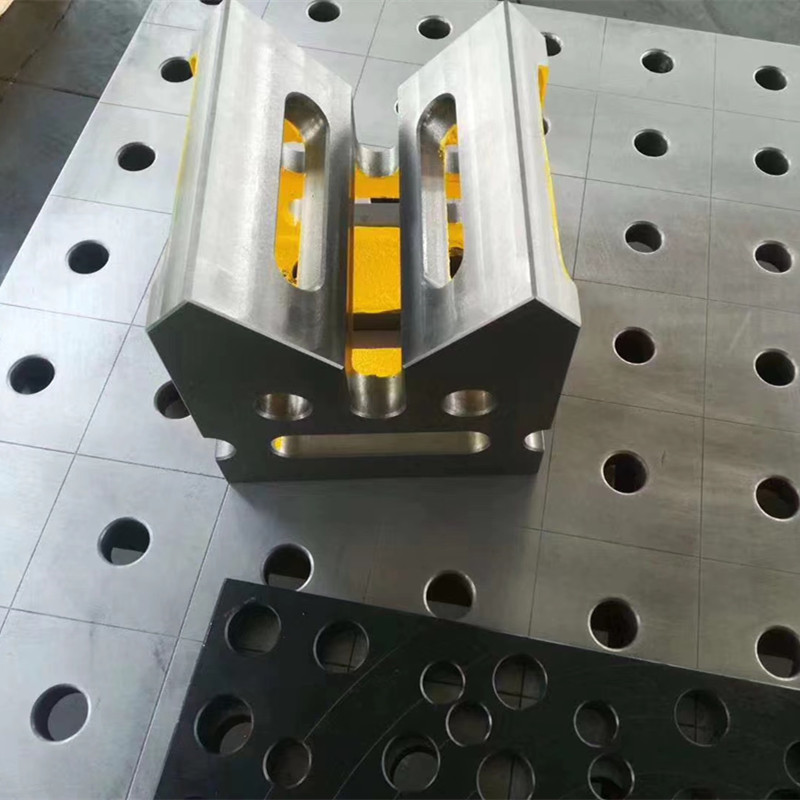
Metallverarbeitung und die Bedeutung der Metalltischfertigung Die Metallverarbeitung ist ein entscheidender Bereich in der modernen Industrie und umfasst eine Vielzahl von Prozessen, die zur Herstellung von Metallprodukten und -konstruktionen führen. Eine der spezifischen Teilbereiche, der in den letzten Jahren erheblich an Bedeutung gewonnen hat, ist die Metalltischfertigung. Diese umfasst die Herstellung von verschiedenen Tischkonstruktionen, die sowohl funktionale als auch ästhetische Anforderungen erfüllen. In der Metalltischfertigung kommen verschiedene Materialien zum Einsatz, wobei Stahl, Aluminium und Edelstahl am häufigsten verwendet werden. Jedes dieser Materialien hat seine eigenen Eigenschaften, die es für bestimmte Anwendungen geeignet machen. Stahl wird häufig wegen seiner Festigkeit und Haltbarkeit gewählt, während Aluminium aufgrund seines geringeren Gewichts und seiner Korrosionsbeständigkeit bei vielen Anwendungen bevorzugt wird. Edelstahl hingegen ist ideal für Umgebungen, in denen Hygiene und Korrosionsbeständigkeit entscheidend sind, wie beispielsweise in der Lebensmittel- und Getränkeindustrie. Metallverarbeitung und die Bedeutung der Metalltischfertigung Das Schweißen ist ein kritischer Schritt in der Metalltischfertigung, da es die verschiedenen Teile zu einer stabilen Struktur verbindet. Hier kommen verschiedene Schweißtechniken zum Einsatz, wie das MIG- und WIG-Schweißen, die beide unterschiedliche Vorteile bieten. MIG-Schweißen ist in der Regel schneller und einfacher zu erlernen, während WIG-Schweißen eine höhere Qualität und Finesse in der Verarbeitung ermöglicht. metal table fabrication Die Oberflächenbehandlung ist ein weiterer wichtiger Schritt, der nicht nur die Ästhetik des Endprodukts verbessert, sondern auch dessen Lebensdauer verlängert. Methoden wie Pulverbeschichtung oder galvanische Beschichtung schützen das Metall vor Rost und Korrosion und tragen dazu bei, dass der Metalltisch auch in anspruchsvollen Umgebungen dauerhaft bleibt. Ein weiterer Trend in der Metalltischfertigung ist die Anpassung an spezifische Kundenbedürfnisse. Immer mehr Unternehmen suchen nach maßgeschneiderten Lösungen, die ihren individuellen Anforderungen entsprechen. Dies hat zu einem Anstieg von Unternehmen geführt, die sich auf die kundenspezifische Herstellung von Metalltischen spezialisiert haben. Diese maßgeschneiderten Produkte können in einer Vielzahl von Branchen eingesetzt werden, von der Gastronomie bis hin zur industriellen Anwendung. Die Digitalisierung spielt ebenfalls eine zunehmend wichtige Rolle in der Metallverarbeitung. Fortgeschrittene Software zur CAD (Computer-Aided Design) und CAM (Computer-Aided Manufacturing) ermöglicht es Herstellern, komplexe Designs effizient zu erstellen und zu produzieren. Diese Technologien fördern nicht nur die Genauigkeit, sondern auch die Effizienz, was zu kürzeren Produktionszeiten und geringeren Kosten führt. Zusammenfassend lässt sich sagen, dass die Metalltischfertigung ein dynamisches und sich ständig weiterentwickelndes Feld ist. Die Kombination aus innovativen Materialien, fortschrittlichen Technologien und kundenspezifischen Lösungen sorgt dafür, dass Metalltische in vielen Bereichen eine bedeutende Rolle spielen. Die Branche wird in den kommenden Jahren voraussichtlich weiter wachsen, da der Bedarf an hochwertigen und funktionalen Metallprodukten steigt.
-

High quality industrial productsagement

High quality industrial products
View Details -

Meet the diverse needs of customers

Meet the diverse needs of customers
View Details -

Strict quality control

Strict quality control
View Details -

Top raw materials

Top raw materials
View Details -

Trusted supplier

Trusted supplier
View Details
Our application

news and information
Vanne papillon 15 mm - Performances et applications
La vanne papillon de 15 mm est un élément essentiel dans le domaine de la régulation des fluides. Gr

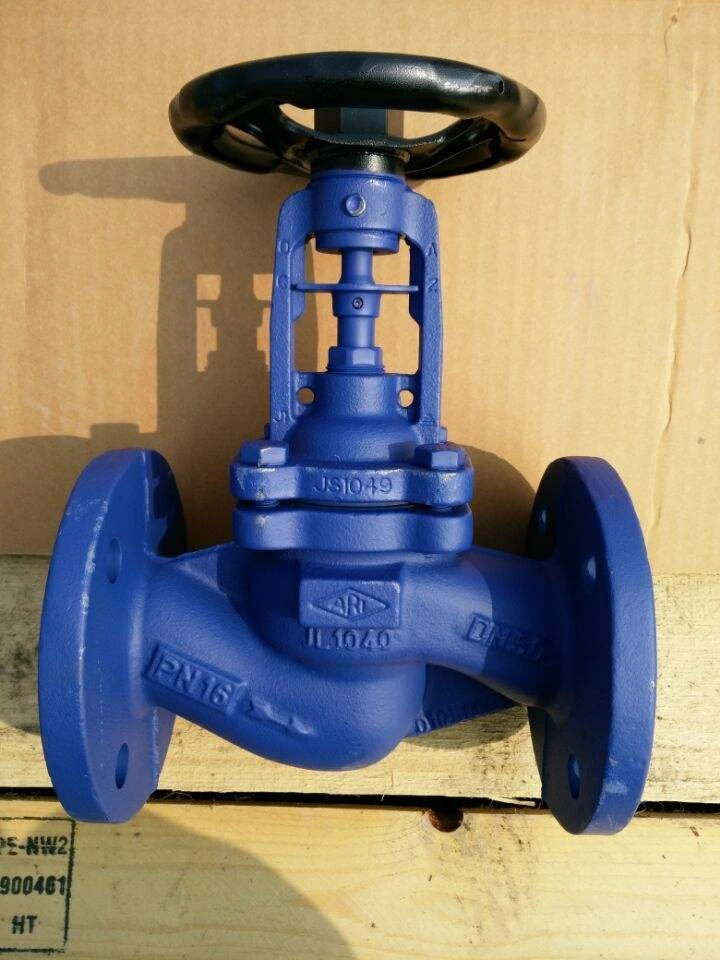
valve for sale
Understanding the Importance of Quality Valves for Sale Expert Insights For those heavily invested i
Welding Inspection Measurement Tool for Quality Assurance and Precision Assessment
Welding Inspection Ruler An Essential Tool for Quality Assurance in Welding Welding is a critical pr
 English